From Signet Rings to Heirlooms
250 Years of Jewelry, Artistry & Tradition
As America marks its 250th anniversary, it's an opportunity to celebrate the creativity, skill, and craftsmanship that have shaped our nation's story. Long before the United States was founded, Indigenous peoples across North America created extraordinary jewelry using turquoise, shell, copper, silver, beads, and other natural materials. Their artistry, symbolism, and traditions continue to influence jewelry design today and remain an important part of America's cultural heritage.
Over the past 250 years, additional traditions have become part of the American story as artisans from many cultures brought their own techniques, styles, and ideas to a growing nation. Together, these influences have shaped a rich and diverse history of American jewelry.
For generations, jewelers have transformed precious metals and gemstones into symbols of love, celebration, remembrance, and family. While styles have evolved from colonial silver to modern custom designs, one thing has remained unchanged: beautifully crafted jewelry becomes part of our story.
The Beginning of America's Jewelry Story
The story of American jewelry begins long before the founding of the United States. For thousands of years, Indigenous peoples across North America created remarkable jewelry using materials found in the natural world, including turquoise, shell, copper, freshwater pearls, bone, stone, and carved wood. These pieces were far more than adornment—they reflected cultural traditions, spiritual beliefs, social identity, and a deep connection to the land. Their artistry continues to influence jewelry design today and remains an essential part of America's creative heritage.
When European settlers established colonies during the 1600s and early 1700s, they brought with them centuries old goldsmithing and silversmithing traditions from England and across Europe. While these jewelry styles differed from those of Indigenous communities, trade, shared materials, and regional influences gradually contributed to the rich and diverse story of American jewelry.
One of the most recognizable pieces of the Colonial era was the signet ring. Engraved with a family crest, initials, or personal emblem, signet rings served both as jewelry and as a practical tool. Pressed into warm sealing wax, they authenticated letters and important documents, making them symbols of identity, trust, and family heritage. Many remained in families for generations, and today the signet ring continues to be a timeless staple of fine jewelry.
Wedding rings of the period were typically simple gold bands without gemstones. Their understated design reflected both the practical values of the time and the enduring symbolism of marriage—a tradition that remains largely unchanged today.
Jewelry also served everyday purposes. Brooches and cloak pins secured cloaks, shawls, and garments long before modern fasteners became common. Often beautifully engraved or hand finished, they demonstrated that even functional objects could be crafted with elegance and care.
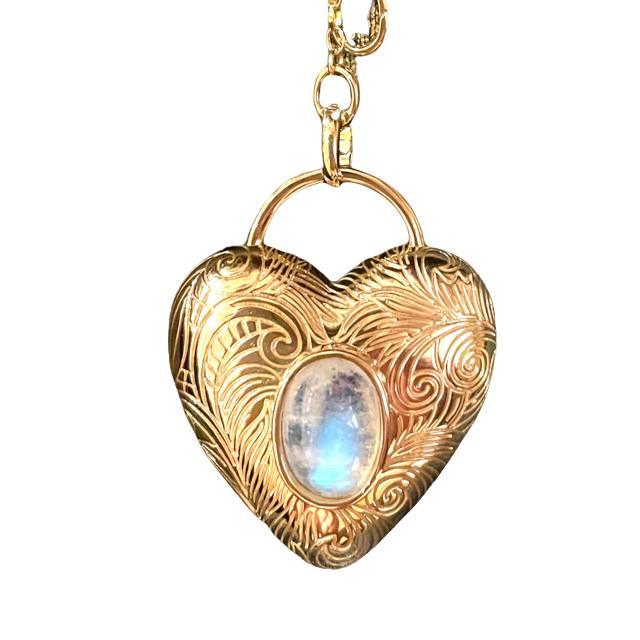
By the eighteenth century, lockets and miniature portrait pendants had become treasured keepsakes. Before the invention of photography, these delicate pieces often held hand painted portraits of loved ones, allowing family members to carry a reminder of home wherever life took them.
As international trade expanded, affluent families gained access to a wider variety of precious materials. Naturally occurring pearls imported from Europe and Asia were especially prized for their beauty and rarity, while coral, garnets, topaz, and other colorful gemstones became increasingly fashionable, though they remained far less common than they are today.
By the late 1700s, silver had become one of Colonial America's most important precious metals. Skilled silversmiths crafted not only jewelry but also teapots, tankards, serving pieces, buckles, buttons, and household silver. Their work required exceptional precision, blending artistry with functionality in objects designed to be used and treasured every day.
Among the most celebrated of these artisans was Paul Revere. While history remembers him for his famous midnight ride, Revere first earned his reputation as a master silversmith. His workshop produced finely crafted silverware and engraved pieces that exemplified the extraordinary craftsmanship of early American artisans. His work remains a lasting reminder that craftsmanship has always been an important part of our nation's story.
Every piece of jewelry during this period required hours or even days of meticulous work. There were no factories or assembly lines, only skilled hands shaping precious metals with simple tools, patience, and years of experience.
Perhaps that's why so many pieces from the Colonial era still survive today. They weren't created to follow fleeting fashions; they were made with the expectation that they would last for generations. More than two centuries later, many can still be found in museums, historic collections, and family estates, reminding us that true craftsmanship never goes out of style.
That dedication to quality became the foundation of America's jewelry tradition—a tradition that has continued to evolve through the artistry of Indigenous makers, immigrant craftsmen, and generations of skilled jewelers. Together, their creativity has transformed precious metals and gemstones into heirlooms that preserve not only beauty, but the stories of the families who wear them.

The Heart of Every Beautiful Piece is Craftsmanship
No matter the era or origin, one element has remained constant—craftsmanship.
Behind every sparkling diamond, perfectly polished wedding band, and carefully restored heirloom is a skilled jeweler whose hands and experience bring each piece to life.
Fine jewelry requires a unique combination of technical precision and artistic vision. Stone setting, engraving, polishing, soldering, custom design, and restoration are skills developed over years of dedication and practice.
Even in today's world of advanced technology, exceptional craftsmanship cannot be rushed or replaced. It's found in the careful attention to every detail and the pride that comes from creating something meant to last.

For 250 years, jewelry has marked America's most meaningful moments.
And we're proud to continue that tradition of hand craftsmanship. Whether we're helping design a one-of-a-kind engagement ring, restoring a cherished family heirloom, repairing a beloved piece, or helping you find the perfect gift, we're honored to be part of your story.