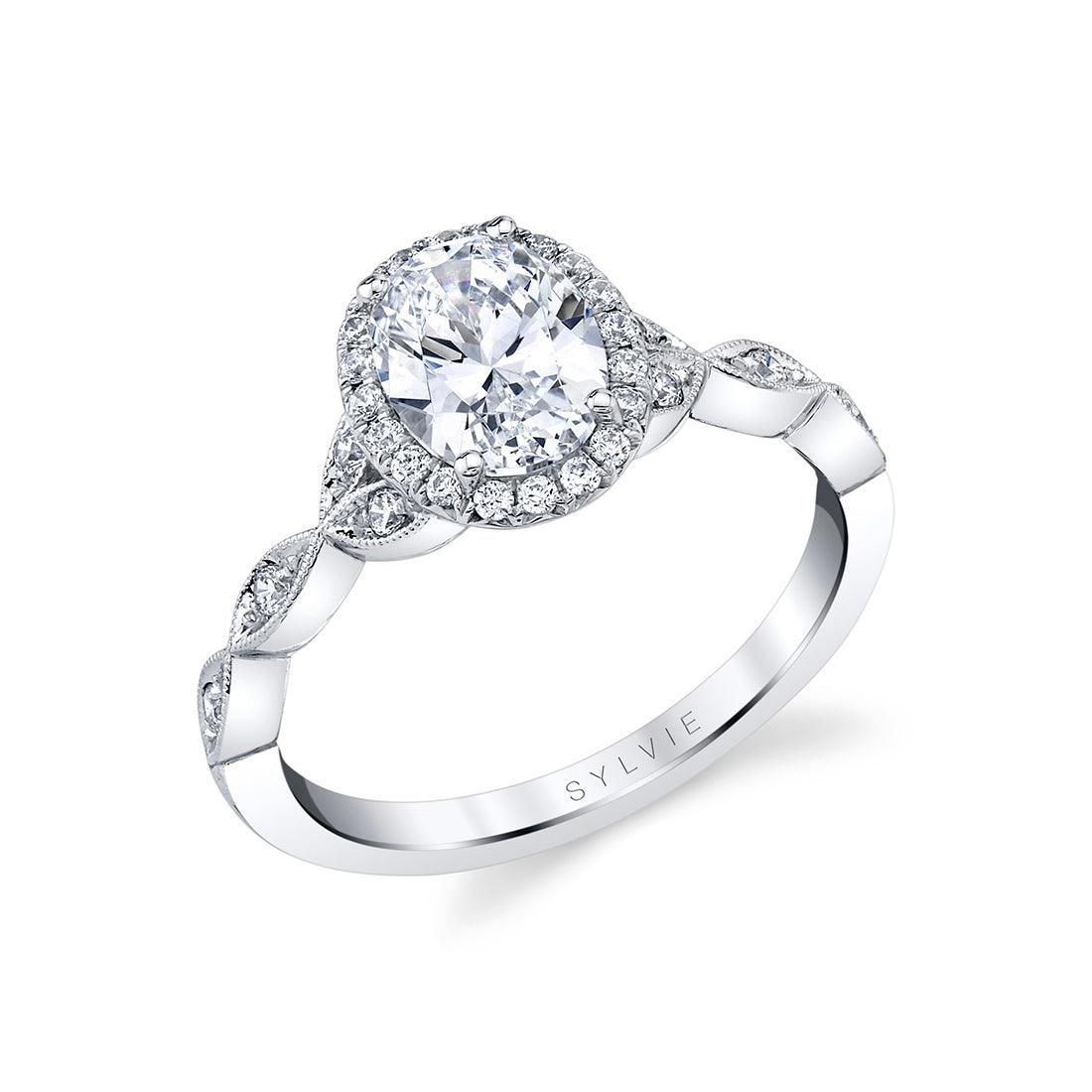
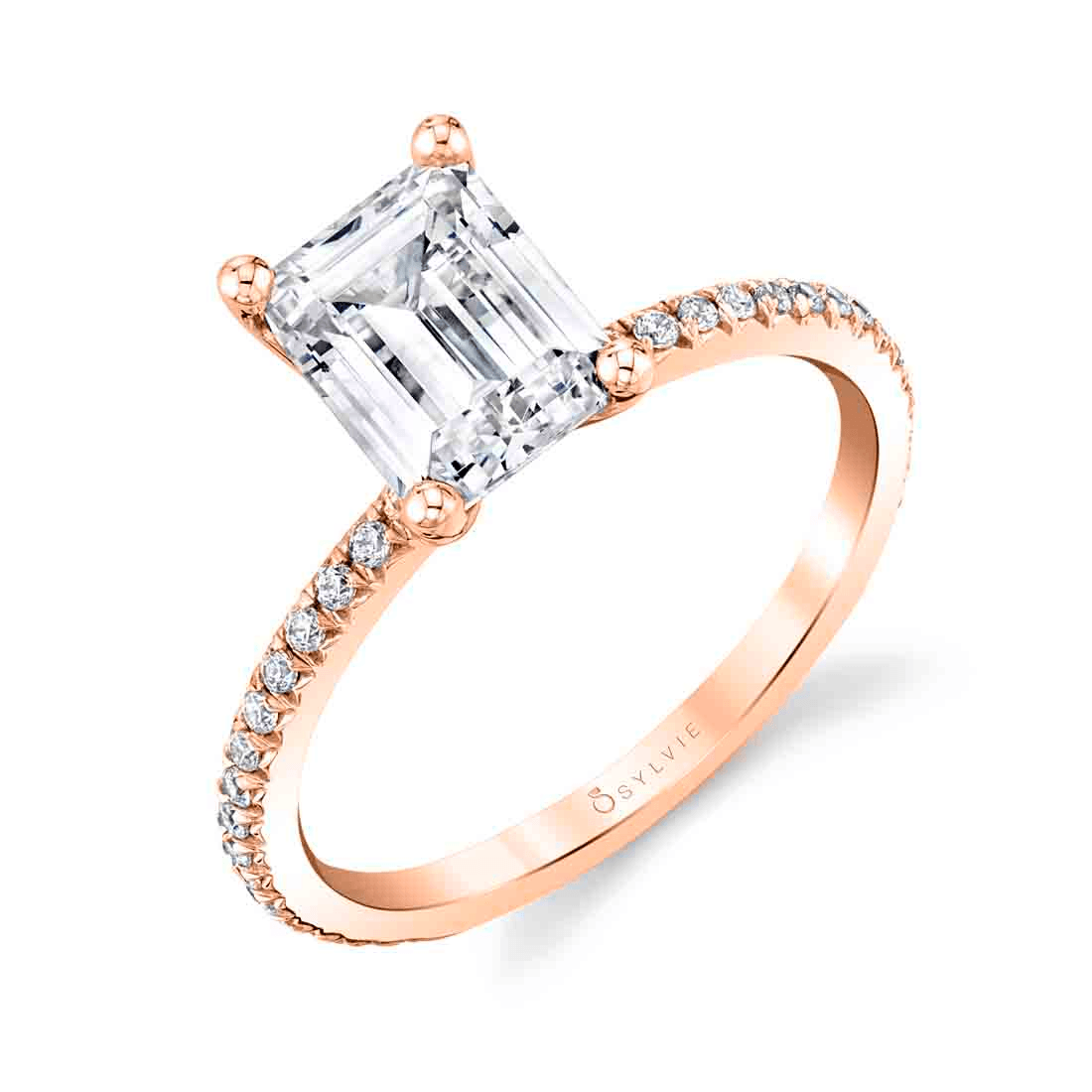
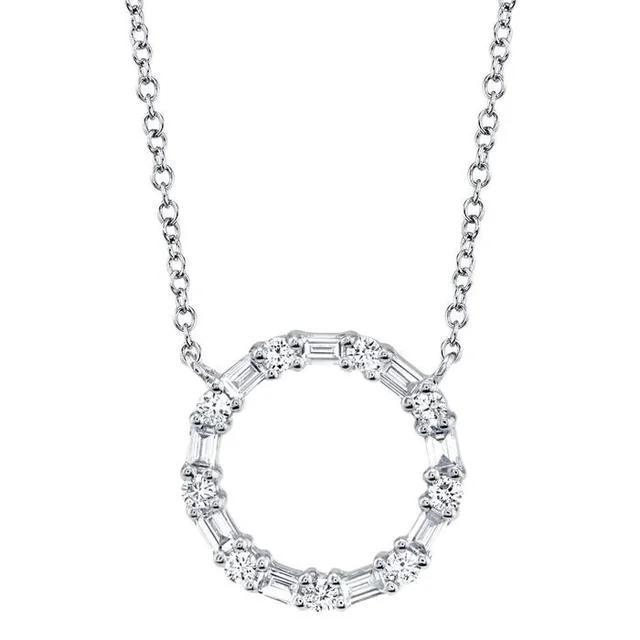

The Biggest Mistakes You Can Make Cleaning Jewelry at Home
Your jewelry is meant to be worn and enjoyed, but everyday life leaves its mark. Lotions, sunscreen, soap, cooking oils, and even dust can dull the sparkle of your favorite pieces. While it's tempting to reach for a DIY cleaning solution or a quick internet hack, some at-home cleaning methods can do more harm than good.
At Water Street Jewelers, we've seen beautiful heirlooms, engagement rings, and treasured everyday jewelry damaged by well-intentioned cleaning attempts. The good news? With a few simple guidelines, you can safely care for your jewelry at home while knowing when it's time to leave it to the professionals.

Mistake #1: Using Toothpaste
One of the oldest jewelry-cleaning myths is using toothpaste to polish jewelry.
The problem? Toothpaste contains mild abrasives designed to clean teeth—not precious metals. Those tiny abrasive particles can leave microscopic scratches on gold, silver, platinum, and even some gemstones. Over time, those scratches can dull the finish of your jewelry.
Instead: Use warm water, a few drops of mild dish soap, and a soft baby toothbrush for most diamond jewelry. Gently clean, rinse thoroughly, and dry with a lint-free cloth.
Mistake #2: Cleaning Every Gemstone the Same Way
Not all gemstones are created equal.
While diamonds, sapphires, and rubies are generally durable, softer or more delicate gemstones require extra care. Pearls, opals, turquoise, emeralds, lapis lazuli, coral, and many vintage pieces can be damaged by harsh cleaners, soaking, ultrasonic cleaners, or steam cleaning.
Each gemstone has unique properties, and the safest cleaning method depends on the stone, its treatment, and how it's set.
When in doubt, ask your jeweler before cleaning.
Mistake #3: Soaking Jewelry Too Long
Leaving jewelry in soapy water for hours isn't necessary and can actually create problems.
Extended soaking may loosen glued settings, damage porous gemstones, or allow moisture to collect beneath certain settings.
A few minutes is usually all it takes to loosen everyday dirt before gently brushing your jewelry clean.
Mistake #4: Using Household Cleaners
Bleach, ammonia, acetone, vinegar, baking soda, and other household cleaning products are often recommended online—but many are far too harsh for fine jewelry.
These products can:
- Damage precious metals
- Discolor gold alloys
- Harm delicate gemstones
- Wear away protective finishes
- Loosen adhesives used in some jewelry
If you wouldn't use it on your skin, it's probably not the best choice for your jewelry.
Mistake #5: Wearing Jewelry While Cleaning
Ironically, one of the biggest cleaning mistakes happens before you even clean your jewelry.
Household cleaners, chlorine bleach, gardening chemicals, and even repeated exposure to hot water can slowly weaken metals and dull gemstones. Rings are especially vulnerable because they take the most abuse during everyday activities.
It's always best to remove your jewelry before:
- Cleaning the house
- Swimming in pools or hot tubs
- Gardening
- Lifting heavy objects
- Using harsh chemicals
Mistake #6: Forgetting to Check the Settings
A sparkling ring isn't always a safe ring.
Even if your jewelry looks beautiful, tiny prongs can wear down over time. One loose prong is all it takes for a diamond or gemstone to fall out unexpectedly.
While cleaning your jewelry, take a moment to inspect it:
- Are any stones moving?
- Do prongs look worn or bent?
- Is the clasp secure?
- Are chains showing signs of wear?
If anything seems unusual, stop wearing the piece until it can be inspected.
Mistake #7: Never Having Jewelry Professionally Cleaned
Home care is important, but it doesn't replace professional maintenance.
At Water Street Jewelers, our professional cleanings remove buildup that home cleaning can't reach while allowing us to inspect your jewelry for loose stones, worn prongs, damaged clasps, and other signs of wear before they become costly repairs.
Many problems can be caught early with a routine inspection, helping preserve your jewelry for years to come.

How to Safely Clean Most Diamond Jewelry at Home
For most diamond jewelry set in gold or platinum:
- Fill a small bowl with warm water.
- Add a few drops of mild dish soap.
- Soak for 5–10 minutes.
- Gently brush with a soft baby toothbrush.
- Rinse thoroughly with clean water.
- Pat dry with a lint-free microfiber cloth.
Important: Avoid cleaning over an open sink. Always use a bowl or plug the drain to prevent accidents.