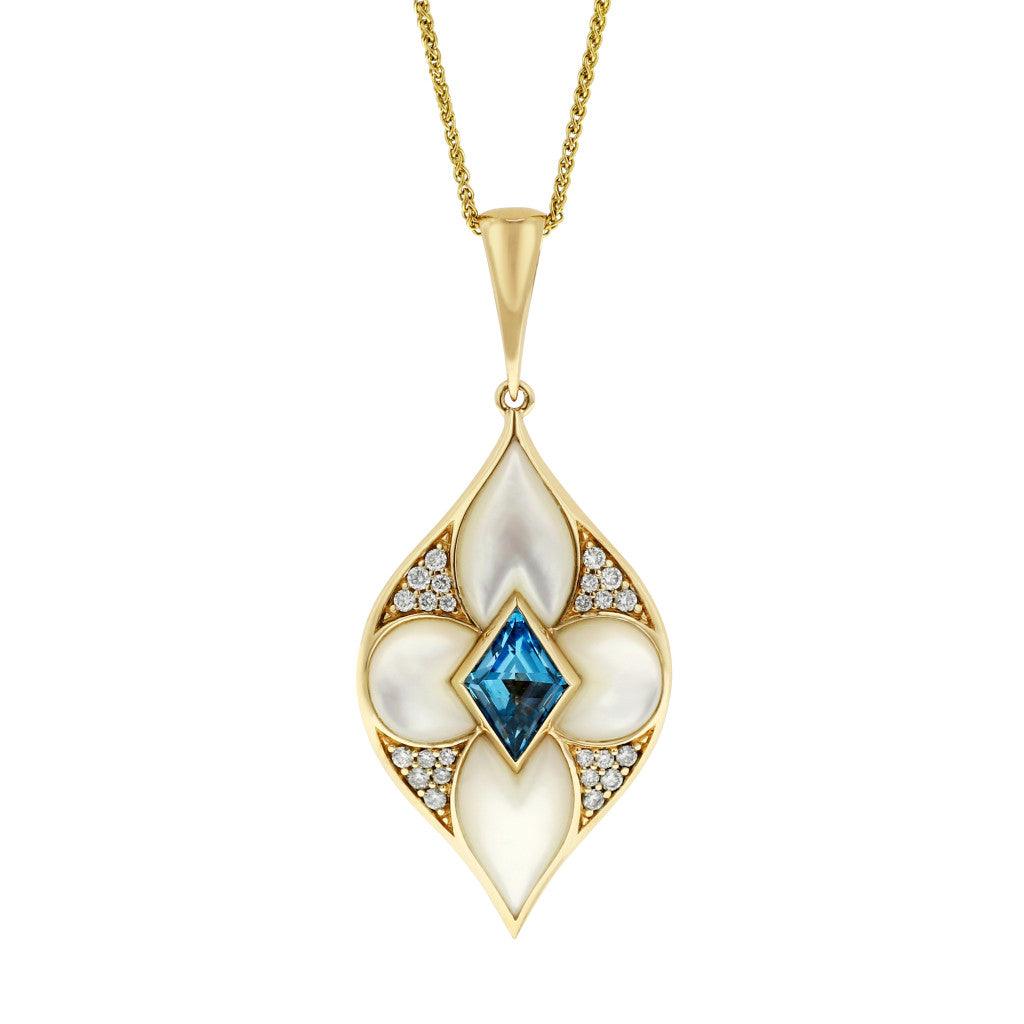
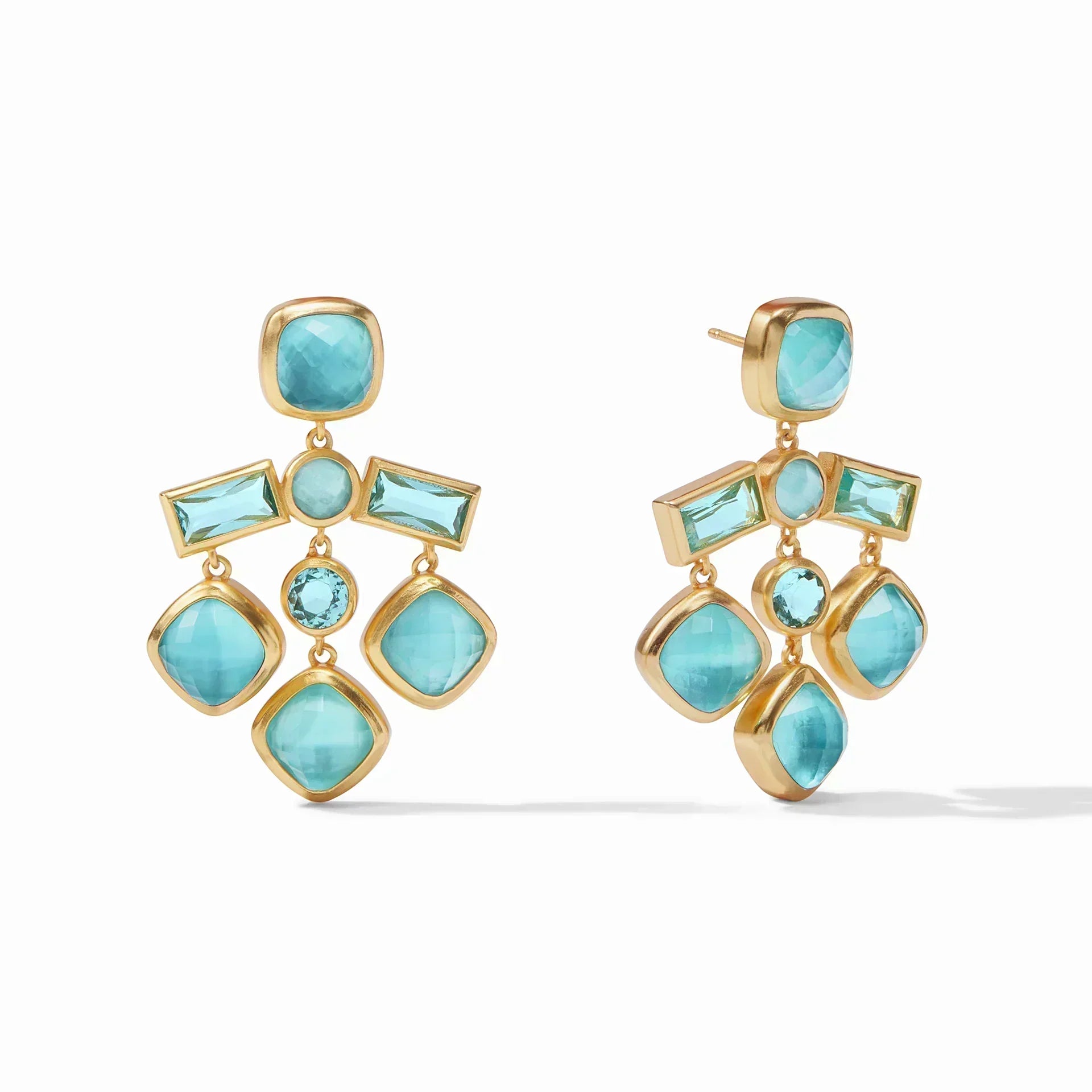
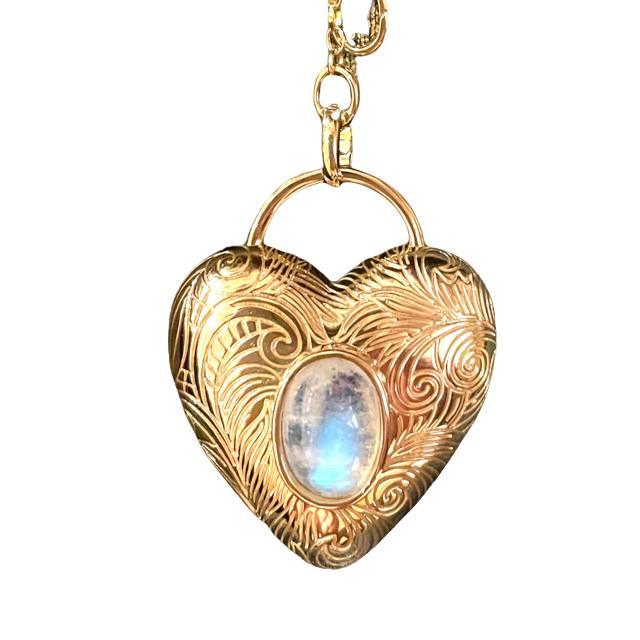
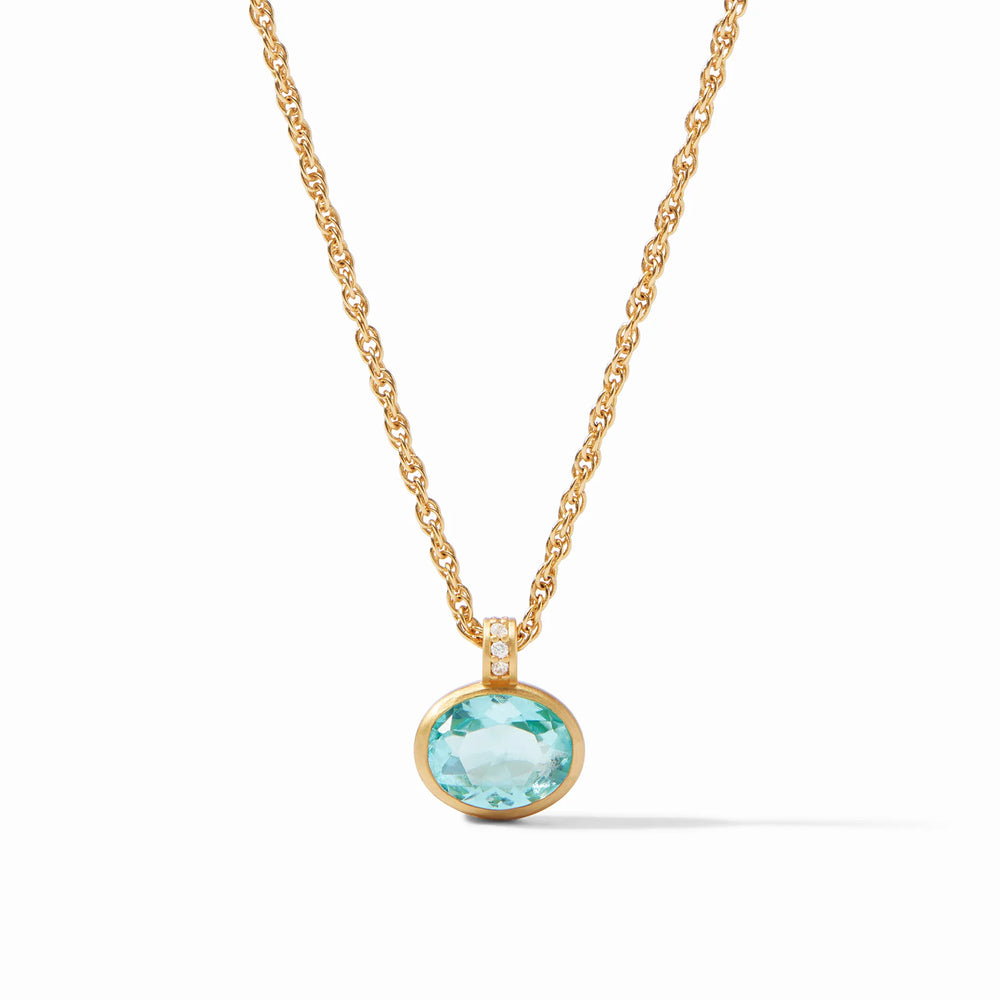
The Birthstone Edit: October
Opal & Tourmaline, Two Gems With Colorful Personalities
One plays with light. The other comes in nearly every color imaginable. October certainly doesn't believe in boring birthstones.
If you were born in October, congratulations—you've hit the birthstone jackpot. While some months are represented by a single gemstone, October gets two spectacular choices: opal and tourmaline.
At first glance, these two gems couldn't be more different. Opal is famous for its mysterious flashes of rainbow color, while tourmaline comes in everything from delicate pink and vibrant green to electric blue and even combinations of colors within a single stone.
But there's much more to these October favorites than their good looks. Both have fascinating histories, unusual characteristics and a few surprises up their sleeves.
Why Does October Have Two Birthstones?
Birthstones have a long history, with connections to ancient traditions that associated gemstones with the months of the year, the zodiac and symbolic meanings.
The birthstone lists we recognize today are much more recent. In 1912, the American National Retail Jewelers Association, now known as Jewelers of America, established a standardized list of modern birthstones.
Opal was October's traditional modern choice, while pink tourmaline was included as an alternative. Later updates and contemporary birthstone lists broadened the tourmaline option to include its many beautiful colors.
Having two birthstones offers October babies a little extra freedom: choose the dreamy, iridescent beauty of opal or the incredible variety of tourmaline. Or, of course, enjoy both.

OPAL: A Little Rainbow, A Little Mystery
There really isn't another gemstone quite like opal.
Rather than displaying one consistent color, many precious opals seem to contain tiny flashes of red, green, blue, orange and violet that dance across the surface as the stone moves.
This phenomenon is called play of color, and it's what makes precious opal so extraordinary.
What Makes Opal So Colorful?
Here's where things get interesting.
Unlike most familiar gemstones, opal isn't a crystalline mineral. It's a form of hydrated silica, containing tiny spheres of silica arranged within its structure. In precious opal, light interacts with these microscopic spheres, separating into different colors and producing those remarkable rainbow flashes. The size and arrangement of the spheres help determine which colors appear. And no, not every opal displays play of color. Common opal can be beautiful in its own right, but it doesn't produce the shifting rainbow effect that precious opal is famous for.
Not All Opals Look Alike
Opal has more personalities than you might expect.
-
White opal: A pale or milky background with flashes of color. Soft, romantic and a classic choice for jewelry.
-
Black opal: A dark body color that makes its brilliant flashes stand out dramatically. Fine examples can be especially valuable.
-
Boulder opal: Precious opal naturally attached to its ironstone host rock, often creating wonderfully artistic patterns.
-
Fire opal: Known for its warm yellow, orange and red body colors. Some examples display play-of-color, while others do not.
-
Crystal opal: Transparent to translucent opal that can display beautiful play-of-color.
Each has a completely different look, which is part of opal's appeal.
The Gemstone With a Royal Reputation
Opal has inspired fascination for centuries. The ancient Romans prized it for its remarkable combination of colors, and its name is commonly traced through Latin opalus to an older word associated with precious stones.
In European folklore, opal was sometimes associated with hope, purity and good fortune. Queen Victoria was particularly fond of opals and helped popularize them during the 19th century. Her enthusiasm was especially welcome at a time when some people had begun to regard opals as unlucky. That superstition was strengthened by Sir Walter Scott's 1829 novel Anne of Geierstein, in which a mysterious opal plays a dramatic role. The story contributed to opal's undeserved reputation for bad luck. Thankfully, today most jewelry lovers are far more interested in opal's beauty than its literary baggage.
Where Do Opals Come From?
Australia is the world's most famous source of precious opal, with historic mining areas including Lightning Ridge, Coober Pedy and White Cliffs. Ethiopia has also become an important source of beautiful opals, many of which are known for striking play of color. Other sources include Mexico, which is especially associated with fire opal.

Is Opal Too Delicate for Everyday Jewelry?
Opal deserves a little extra care.
It measures approximately 5 to 6.5 on the Mohs hardness scale, making it softer and more vulnerable to scratches than diamonds or sapphires. Opals also contain water, and some varieties can be sensitive to changes in moisture or temperature. Certain Ethiopian opals are hydrophane, meaning they can absorb water and temporarily change appearance.
That doesn't mean you shouldn't wear opal jewelry. It simply means choosing the right setting and treating the stone thoughtfully. Opal earrings and pendants are wonderful options, while opal rings benefit from protective settings and a little extra attention.
Our advice: Wear your opals, enjoy them and save them from the rough and tumble activities.
TOURMALINE: The Gemstone That Refuses to Pick a Color
If opal is October's mysterious romantic, tourmaline is its colorful free spirit.
Tourmaline comes in one of the widest ranges of colors of any gemstone family. Pink, green, blue, yellow, purple, brown, black and even colorless varieties can all occur naturally. Some tourmalines contain two or more colors in a single crystal. In other words, there's probably a tourmaline for almost every personality.

Why Does Tourmaline Come in So Many Colors?
Tourmaline isn't just one mineral species. It's a group of related minerals with complex chemical compositions. Different elements within their crystal structures help produce different colors. Iron, manganese, chromium, vanadium and copper can all play roles, depending on the variety. Those subtle chemical differences are responsible for tourmaline's extraordinary range of shades.
Meet the Tourmaline Family
Some of the most interesting varieties have names of their own.
Pink Tourmaline
One of October's best-known birthstone choices, pink tourmaline ranges from delicate blush to rich raspberry and vibrant hot pink. It's romantic without feeling overly traditional.
Rubellite
A trade name used for richly colored pink to red tourmaline. Fine rubellite can have a vivid, saturated appearance that makes it particularly striking in jewelry.
Green Tourmaline
From soft olive and mint to deep forest green, green tourmaline offers a beautiful alternative to more familiar green gemstones.
Indicolite
A name used for blue tourmaline, which can range from blue green to deeper blue tones. Fine examples are especially desirable.
Paraíba Tourmaline
Among the most celebrated varieties, Paraíba type tourmaline is known for its extraordinary neon blue, turquoise and green colors, caused primarily by copper. First discovered in Brazil in the late 1980s, copper-bearing tourmalines with similar colors have since been found in parts of Africa.
Watermelon Tourmaline
Possibly the most playful gemstone of the bunch!
Watermelon tourmaline displays pink or reddish coloring alongside green, sometimes with a pale zone between them. In cross section, it can resemble an actual slice of watermelon.

Tourmaline Has an Electrifying Secret
Here's a fact you might not know: tourmaline can become electrically charged when heated or subjected to pressure. These properties are called pyroelectricity and piezoelectricity. Tourmaline crystals can attract tiny particles such as dust when electrically charged, a phenomenon that fascinated early observers and helped earn the gemstone a reputation for unusual powers.
No, your tourmaline ring isn't going to charge your phone, but it's a pretty remarkable trick for a gemstone.
A Gemstone That Was Once Mistaken for Other Gems
Because tourmaline occurs in so many colors, it has often been confused with other gemstones throughout history. Some red tourmalines were mistaken for rubies, while green varieties could resemble emeralds.
One famous example is the Caesar's Ruby, a large red gemstone in the Russian imperial collection that was later identified as tourmaline rather than ruby. It's a wonderful reminder that gemstone identification wasn't always as straightforward as it is today.
Where Is Tourmaline Found?
Tourmaline is found in several parts of the world, including Brazil, Afghanistan, Pakistan, Madagascar, Mozambique, Nigeria and the United States. Maine and California have both produced notable tourmaline, making this colorful gem part of American gemstone history, too.
Is Tourmaline Good for Everyday Jewelry?
Tourmaline rates approximately 7 to 7.5 on the Mohs hardness scale, making it generally more resistant to scratching than opal. It's a lovely choice for rings, earrings, necklaces and bracelets, although it still needs protection from hard knocks and sudden temperature changes.
As with any fine gemstone, the setting and the way you wear it matter.
Opal or Tourmaline: Which October Birthstone Is Right for You?
There's no wrong answer, but each gemstone offers something a little different.
| If You Love... | You Might Love... |
|---|---|
| Dreamy rainbow flashes | Precious opal |
| Soft, romantic color | Pink tourmaline |
| Bold, dramatic contrast | Black opal |
| Vibrant blues and greens | Indicolite or Paraíba-type tourmaline |
| Unusual, one-of-a-kind patterns | Boulder opal |
| A playful mix of colors | Watermelon tourmaline |
Traditionally, opal has been associated with hope, creativity and imagination, while tourmaline is often linked with love, compassion and emotional balance. These are symbolic meanings rooted in folklore, rather than scientific properties, but they're part of what makes birthstone jewelry so personal.
A Few More Things You Might Not Know
Opal is also the gemstone traditionally associated with the 14th wedding anniversary. Its shifting colors make a lovely symbol of a relationship that continues to grow and change.
Tourmaline is associated with the eighth wedding anniversary. With so many colors to choose from, it's easy to find a shade that feels meaningful.
Two opals can look completely different. Even stones from the same mining area can display dramatically different patterns and colors.
Tourmaline can show different colors depending on the viewing direction. This optical effect is called pleochroism, and skilled gem cutters take it into account when shaping a stone.
Neither gemstone is limited to October birthdays. You don't need an October birthday to fall in love with either one.
Two Birthstones, Endless Possibilities
Whether you're drawn to the shifting rainbow of opal or the incredible color palette of tourmaline, October's birthstones prove that jewelry can be just as individual as the person wearing it.
And that's what we love most about colored gemstones. No two people have to choose the same thing. We love helping you discover gemstones that reflect your personal style, whether you're celebrating an October birthday, searching for a meaningful gift or simply falling in love with a beautiful stone.
After all, who says you need a birthday to treat yourself to a little color?