The Birthstone Edit | November
Topaz & Citrine
Two beautiful gemstones, a spectrum of golden hues and centuries of fascinating folklore.
As autumn days grow shorter and the landscape takes on its final golden glow, November offers two birthstones that seem perfectly suited to the season. Topaz and citrine capture the warmth of autumn in shades of honey, champagne, golden yellow and rich amber. But beyond their similar appearance, these two gemstones have remarkably different stories to tell.
Topaz: A Gemstone of Many Colors
If you immediately picture a beautiful blue gemstone when you hear the word topaz, you're not alone! Blue topaz is one of the most popular varieties found in jewelry today, yet this remarkably versatile gemstone occurs in an extraordinary range of colors.
In its purest form, topaz is colorless, but nature also produces it in shades of yellow, orange, pink, violet, brown and, on rare occasions, red.
Among the most coveted varieties is Imperial topaz, prized for its luxurious golden orange, peach and reddish Pink hues. Brazil is particularly famous for producing these exceptional gemstones, which are among the rarest and most valuable in the topaz family.

But What About Blue Topaz?
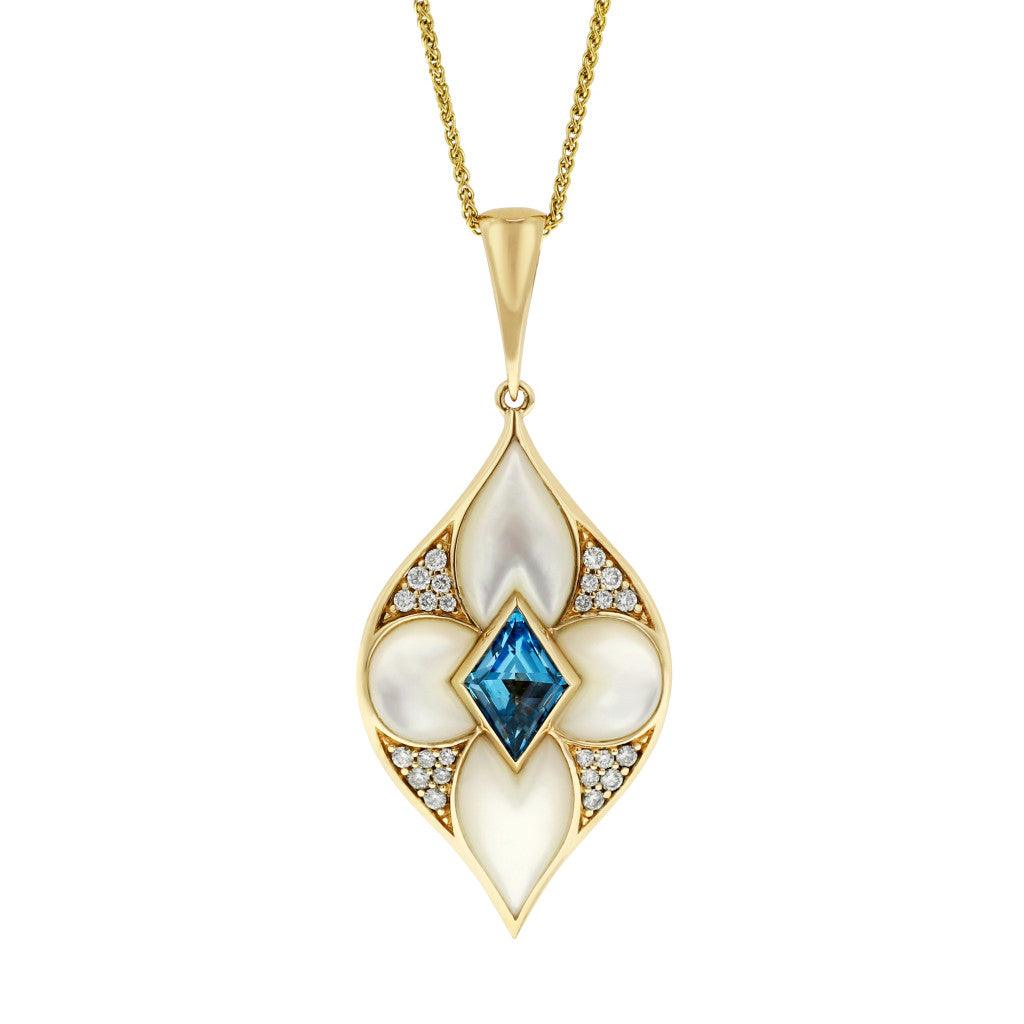
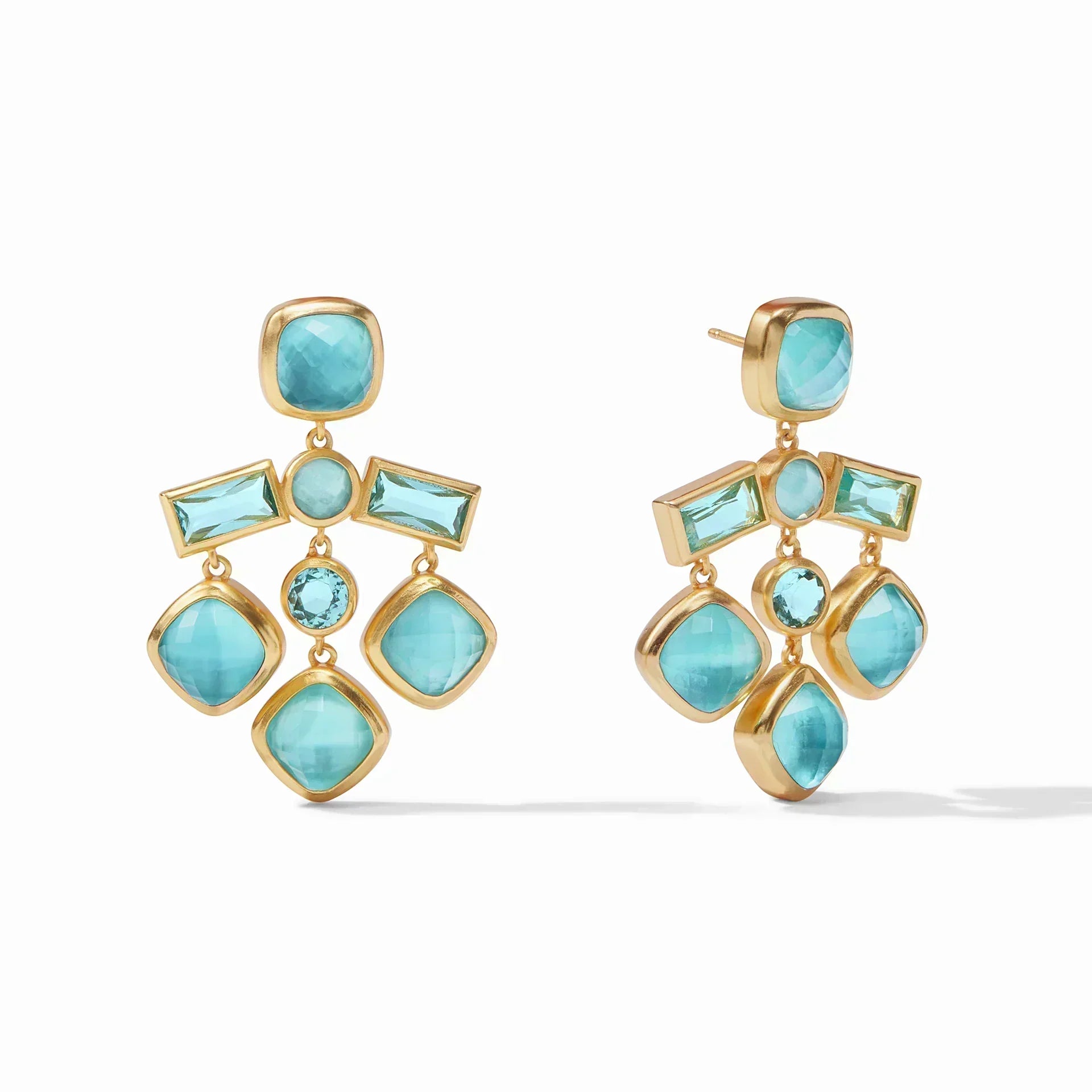
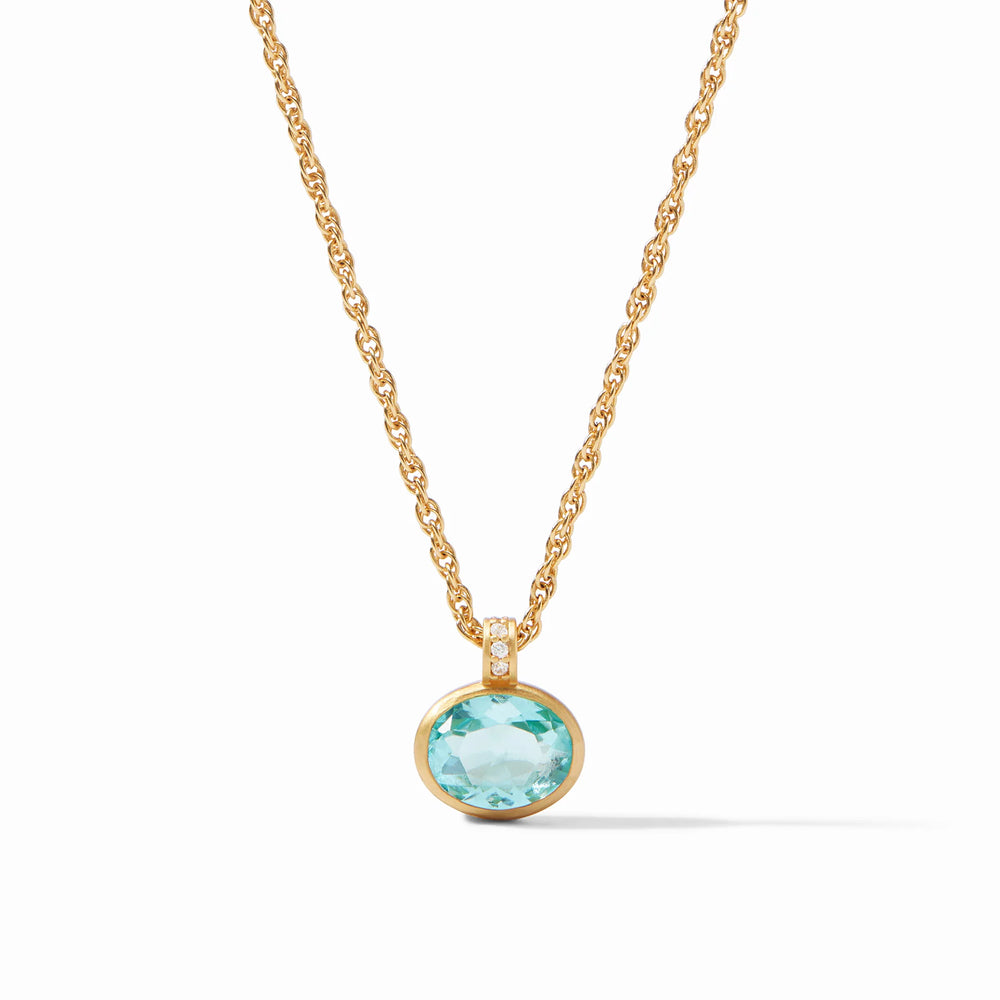
Interestingly, naturally blue topaz is relatively rare and typically quite pale. Most of the blue topaz we see in jewelry today begins as colorless or lightly colored topaz that undergoes irradiation and heat treatment to achieve its beautiful blue hues.
There are three particularly popular shades:
-
Sky Blue: A soft, delicate blue reminiscent of a clear summer sky.
-
Swiss Blue: A bright, vivid blue with an almost tropical quality.
-
London Blue: A rich, sophisticated blue with subtle gray or green undertones.
While golden topaz is traditionally associated with November, topaz in any color can be worn to celebrate a November birthday. From the warmth of Imperial topaz to the cool sophistication of London Blue, there's a shade to suit just about every personality.

A Little Topaz Folklore
Throughout history, topaz has been associated with strength, protection and good fortune. The ancient Greeks believed it could give its wearer strength, while European traditions credited the gemstone with the ability to dispel anger and even break magical spells.
For centuries, golden gemstones were often called topaz regardless of their actual mineral composition. It wasn't until the development of modern gemology that many of these stones were properly identified.
Citrine: A Little Pocket of Sunshine
Citrine is a variety of quartz, closely related to amethyst. Its beautiful yellow to orange coloring comes from traces of iron within the crystal.
Its name is derived from the French word citron, meaning lemon, although its colors range from pale, buttery yellow to deep reddish orange. The latter is often referred to as Madeira citrine, named for its resemblance to the richly colored fortified wine.
Natural citrine is relatively rare, and much of the citrine available today is created by heat treating amethyst.

The Merchant's Stone
Sometimes called the “merchant's stone,” citrine has long been associated with prosperity, abundance and success. According to popular gemstone folklore, merchants would keep citrine near their cash boxes in the hope of attracting wealth and good fortune.
Its sunny disposition has also made it a symbol of optimism, happiness and positive energy.
From Hollywood to the Jewelry Box
Citrine enjoyed particular popularity during the Art Deco and Retro jewelry periods, when large, boldly colored gemstones were fashionable. Its availability in generous sizes made it an ideal choice for glamorous cocktail rings, elaborate bracelets and dramatic statement pieces.
Today, citrine is equally at home in delicate everyday jewelry and bold contemporary designs.
Two Golden Gemstones, Two Different Personalities
Despite their sometimes similar appearance, topaz and citrine are entirely different minerals.
Topaz measures 8 on the Mohs scale of hardness, while citrine measures 7. Interestingly, although topaz is harder, it has a natural cleavage that makes it vulnerable to splitting if struck sharply. Hardness doesn't always mean greater durability!
Both gemstones are best cleaned with warm, soapy water and a soft cloth. Avoid harsh chemicals, sudden temperature changes and prolonged exposure to intense heat.

Wearing November's Birthstones
Golden topaz and citrine pair beautifully with yellow gold, while cooler shades of topaz offer a striking contrast against white gold and silver. Citrine also looks particularly lovely alongside garnet, smoky quartz and other gemstones that echo the colors of autumn.
Whether you're celebrating a November birthday or simply drawn to their beautiful colors, these two gemstones offer a little warmth and sunshine long after the autumn leaves have fallen.