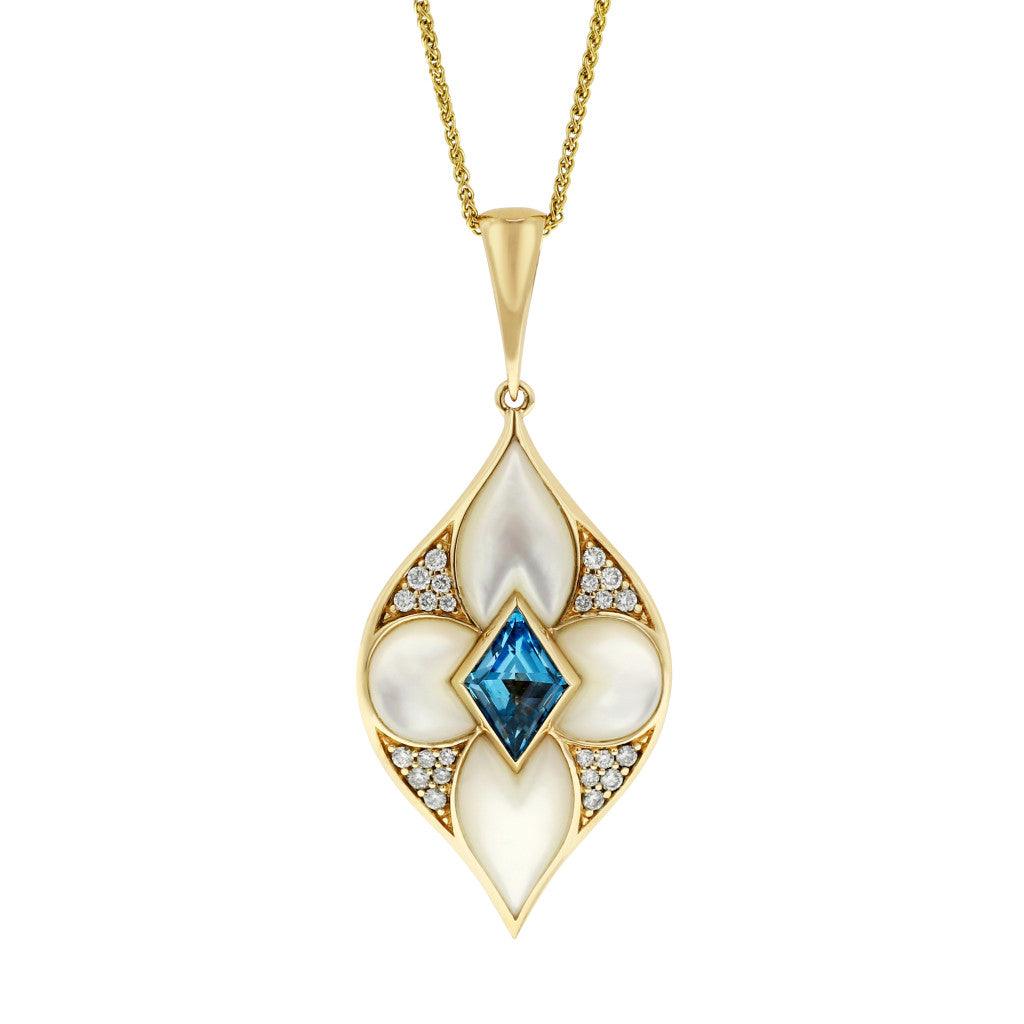
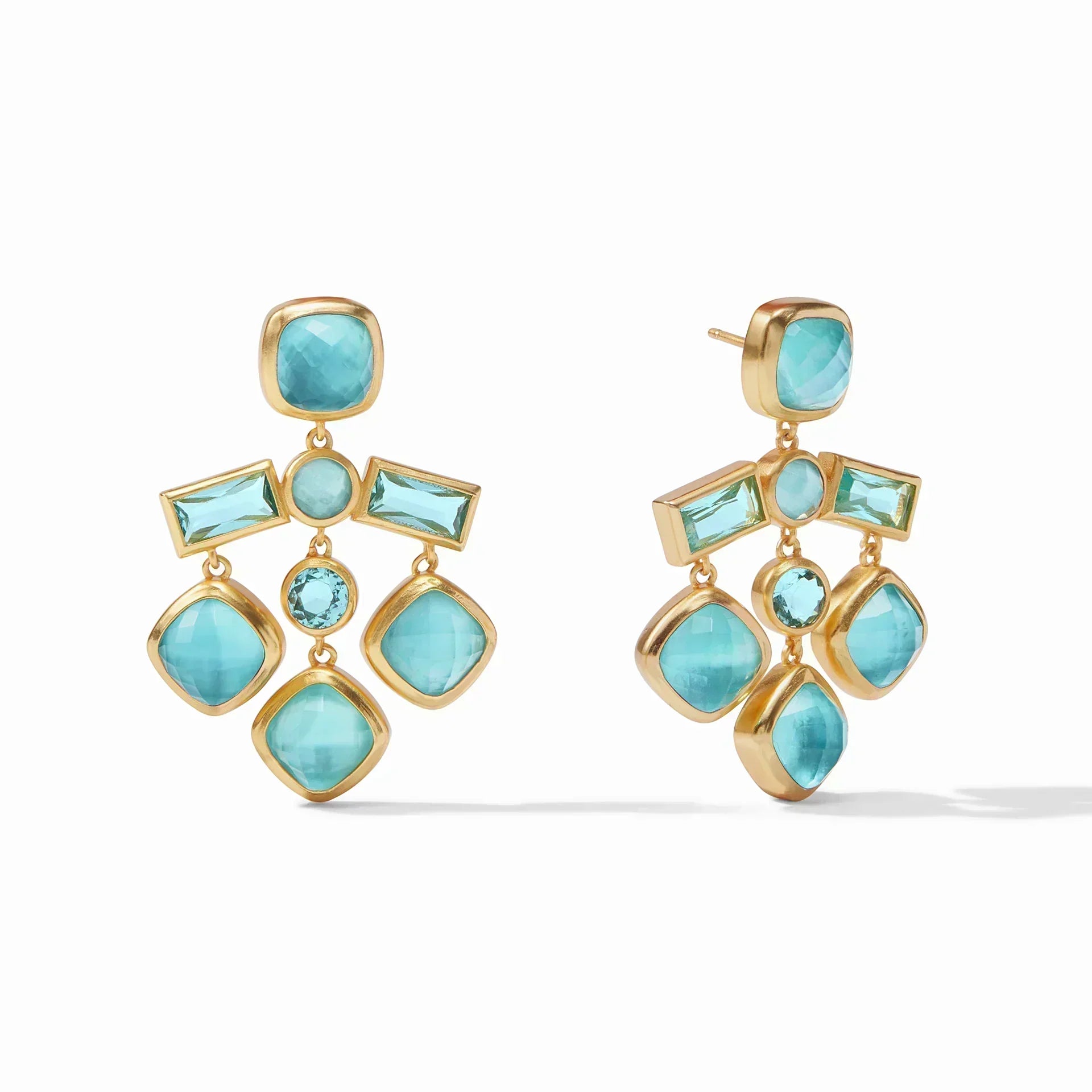
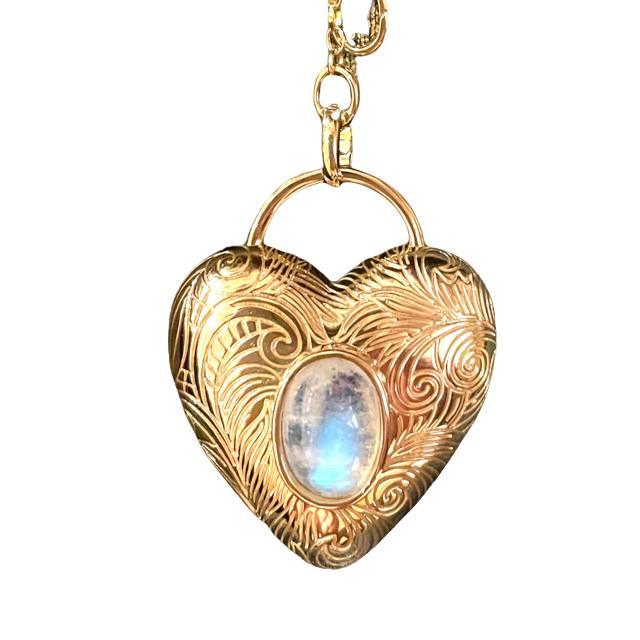
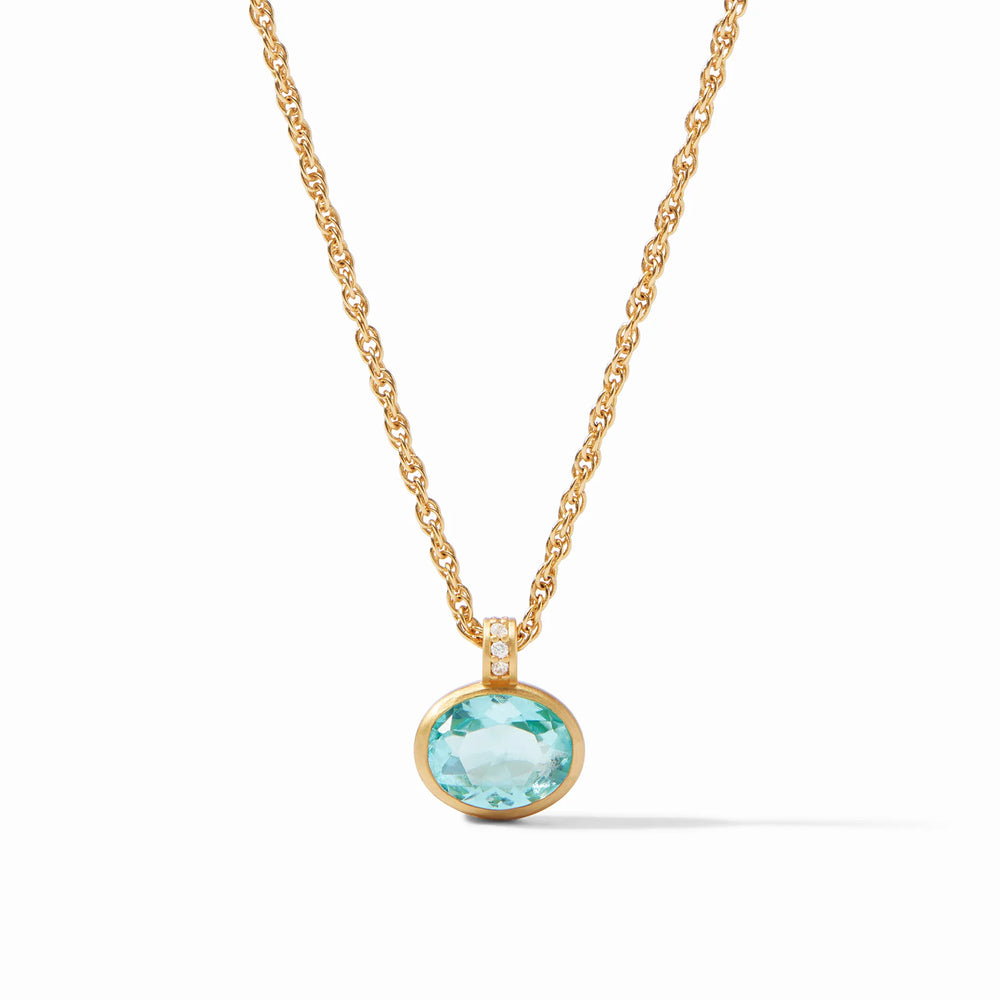
Art Deco, Victorian, or Mid-Century?
How to Identify Vintage Jewelry Styles
There's something magical about vintage jewelry.
Unlike modern pieces, estate jewelry carries a story. Every ring, brooch, bracelet, or necklace has lived another life—perhaps celebrating an engagement, marking an anniversary, or being passed from one generation to the next.
One of the most fascinating aspects of collecting vintage jewelry is learning to recognize the styles of different eras. Each period reflects the fashion, culture, and craftsmanship of its time, giving every piece a unique personality.
Whether you're beginning your estate jewelry collection or simply curious about the treasures you've inherited, here's a guide to some of history's most beloved jewelry styles.
Victorian Era (1837–1901)
Romantic, Sentimental & Symbolic
Named after Queen Victoria, this era celebrated love, family, and symbolism. Jewelry often told deeply personal stories through hidden meanings and intricate craftsmanship.
Look for:
• Romantic floral motifs
• Hearts, bows, birds, and serpents
• Lockets and mourning jewelry
• Seed pearls
• Garnets, turquoise, coral, opals, and old mine-cut diamonds
• Yellow or rose gold
Victorian jewelry was often handcrafted, making every piece wonderfully unique.
Victorian | How to Wear It Today
And it may be romantic and ornate, but it doesn't have to feel old-fashioned. The trick is to give these detailed pieces a much simpler backdrop.
Try an antique locket or pendant layered with modern gold chains over a crisp white shirt or simple black sweater. Victorian gemstone rings look surprisingly cool mixed into a contemporary ring stack, while an ornate brooch can completely transform a denim jacket, blazer, or even a simple cashmere sweater.
The modern mix: Victorian romance + clean, uncomplicated clothing.

Art Nouveau (1890–1915)
Nature Meets Fine Art
Although often confused with Art Deco, Art Nouveau has a completely different personality.
Inspired by nature, artists embraced flowing lines, feminine forms, butterflies, dragonflies, flowers, vines, and ethereal women with flowing hair.
Look for:
• Curving, organic lines
• Enamel details
• Moonstones and opals
• Whiplash curves
• Nature-inspired designs
Art Nouveau jewelry feels more like wearable art than traditional fine jewelry.
Art Nouveau | How to Wear It Today
Art Nouveau jewelry already has an artistic, slightly unconventional quality that works beautifully with modern fashion.
Let one sculptural piece be the focus. Try a nature-inspired pendant with an open-neck blouse, an enamel brooch on the lapel of an oversized blazer, or dramatic Art Nouveau earrings with a simple sweater and jeans.
Pieces featuring opals, enamel, pearls and flowing botanical designs look especially beautiful mixed with understated modern jewelry.
The modern mix: Wearable art + effortless basics.

Edwardian Era (1901–1915)
Delicate Elegance
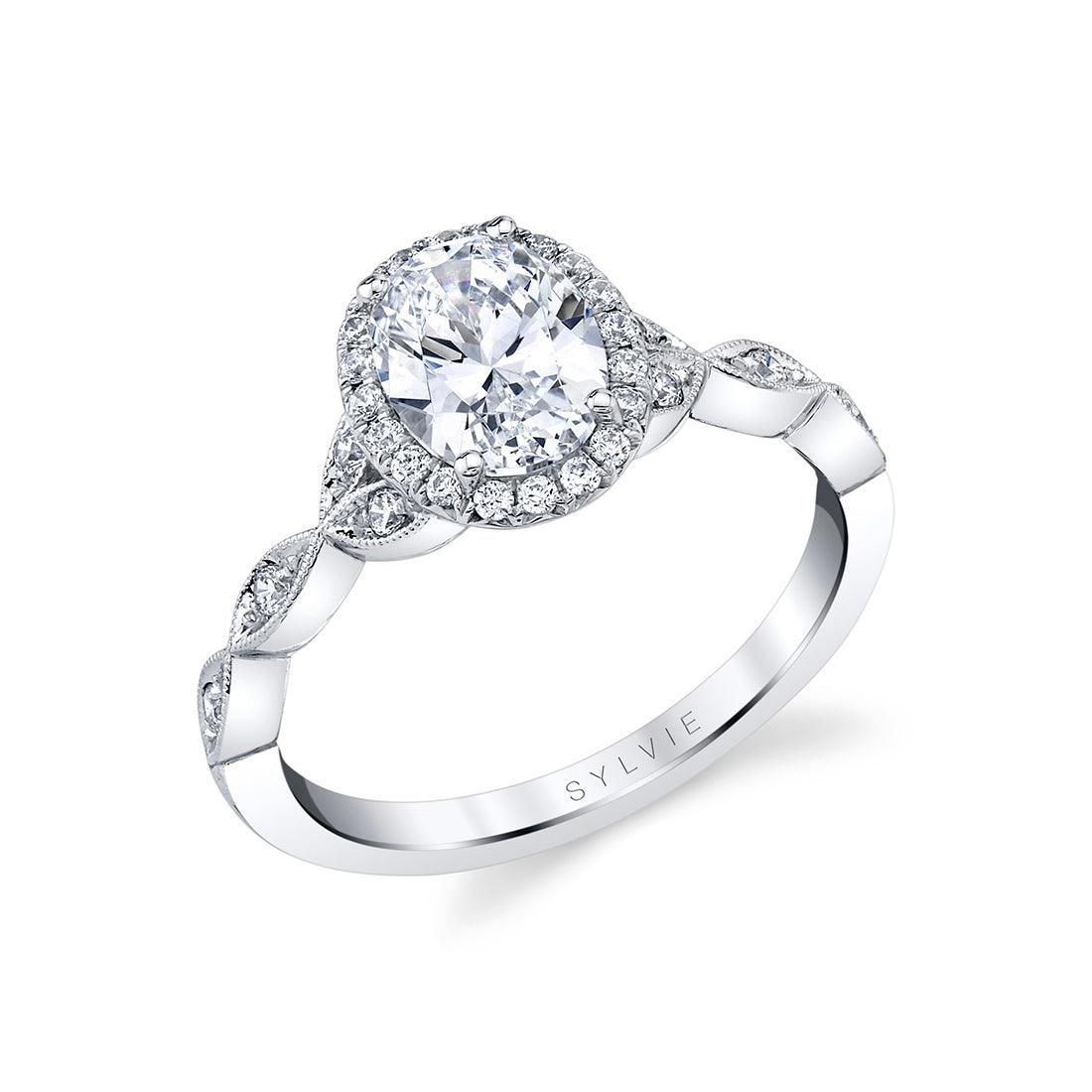
The Edwardian period introduced airy, lace like designs that showcased exceptional craftsmanship.
Thanks to advances in platinum work, jewelers created intricate settings that made diamonds appear almost weightless.
Look for:
• Platinum
• Filigree
• Milgrain detailing
• Garlands and bows
• Diamonds and pearls
Edwardian jewelry is elegant, refined, and incredibly feminine.
Edwardian | How to Wear It Today
Edwardian jewelry is delicate, airy and incredibly easy to incorporate into a modern jewelry collection.
Layer an intricate Edwardian diamond or platinum pendant with a few very fine chains. Pair delicate antique earrings with jeans and a button-down, or mix an Edwardian diamond ring with sleek contemporary bands.
The contrast is what keeps it interesting. Something more than 100 years old can look remarkably fresh when it's not paired with equally formal clothing.
The modern mix: Antique diamonds + everyday wardrobe.

Art Deco (1920–1939)
Bold. Glamorous. Architectural.
If one jewelry style continues to influence designers today, it's Art Deco.
Inspired by the excitement of the Jazz Age, skyscrapers, travel, and modern architecture, Art Deco embraced bold geometry and dramatic contrasts.
Look for:
• Geometric patterns
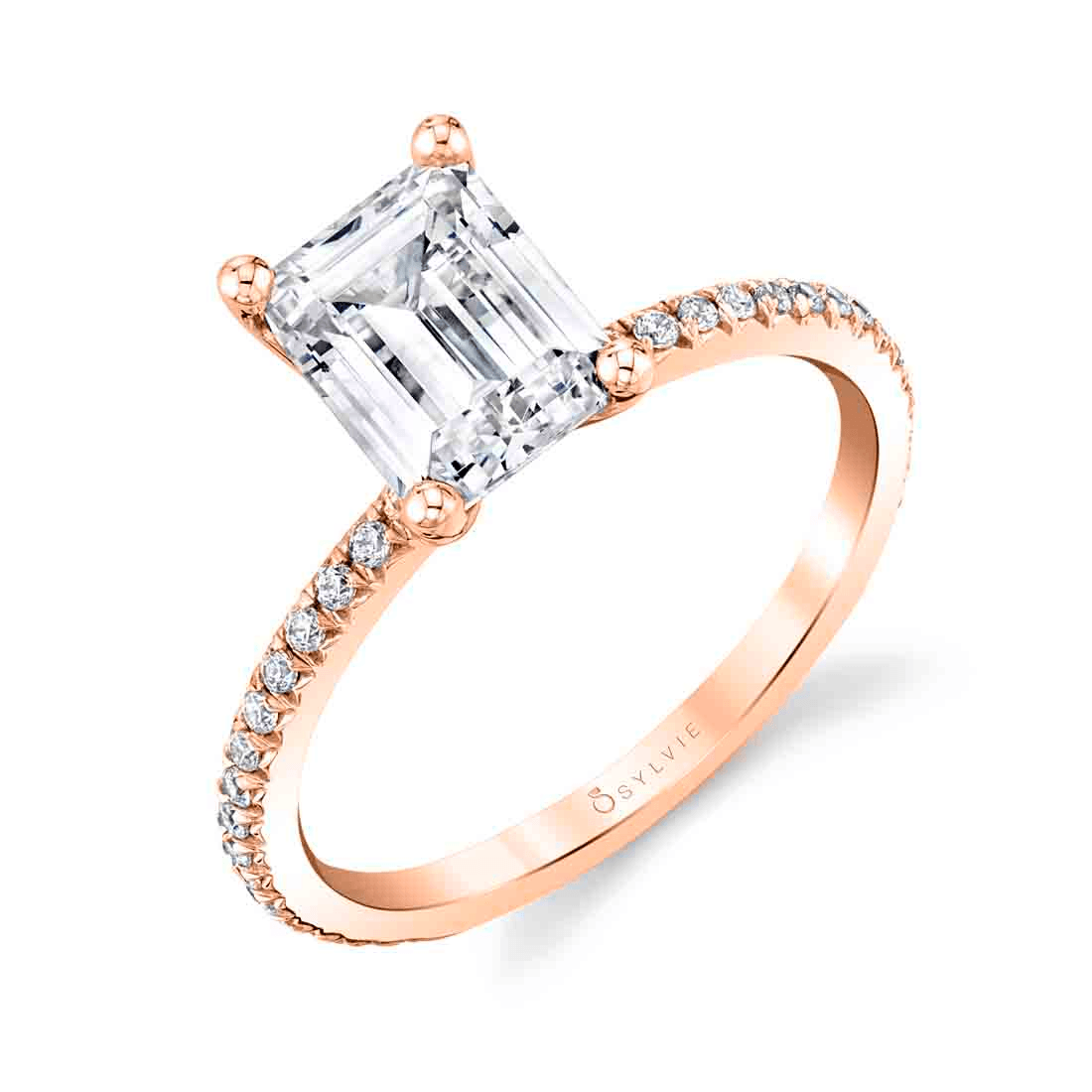
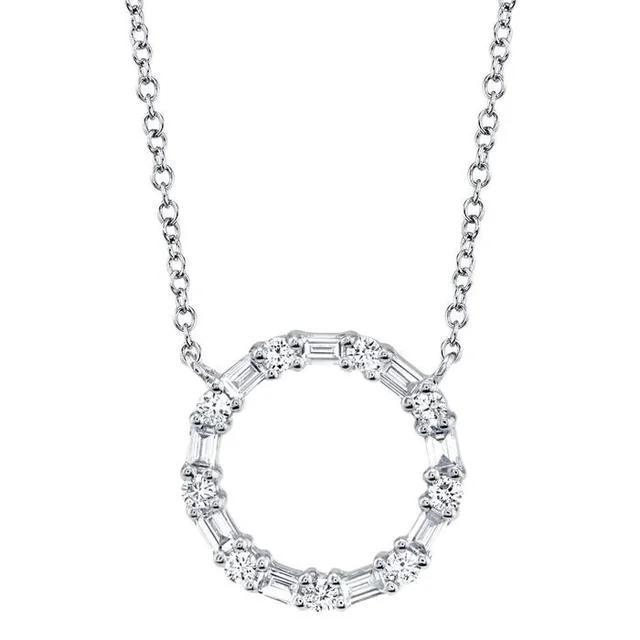
• Emerald-cut and baguette diamonds
• Onyx
• Sapphires
• Emeralds
• Rubies
• Platinum
• Symmetrical designs
Art Deco pieces feel surprisingly modern even after nearly a century.
Art Deco | How to Wear It Today
Art Deco may be one of the easiest vintage styles to wear today because its clean geometry already feels surprisingly modern.
Pair an Art Deco diamond or gemstone ring with a watch and tennis bracelets. Wear geometric earrings with a blazer and jeans, or let a dramatic Deco bracelet become the statement piece with an otherwise simple outfit.
Black onyx, emeralds, sapphires and diamonds are particularly striking when paired with crisp white shirts, denim and modern tailoring.
The modern mix: 1920s glamour + modern minimalism.

Retro Era (1940–1950s)
Big, Bold & Optimistic
During World War II, platinum became scarce, leading jewelers to embrace yellow and rose gold.
Designs became larger, sculptural, and wonderfully glamorous.
Look for:
• Oversized gold designs
• Ribbons and bows
• Scrollwork
• Large cocktail rings
• Aquamarines
• Citrines
• Rubies
Retro jewelry is confident, playful, and impossible to ignore.
Retro | How to Wear It Today
Retro jewelry was designed to be noticed, so don't try to make it disappear.
A chunky 1940s gold bracelet looks fantastic with a watch and a few slimmer bracelets. Oversized cocktail rings can be worn with jeans and a sweater instead of a cocktail dress, and bold gold earrings instantly give a simple T-shirt or button-down more personality.
You can also mix Retro yellow or rose gold with modern diamond pieces rather than keeping all your metals perfectly matched.
The modern mix: Big vintage gold + casual clothes.

Mid-Century Modern (1950s–1960s)
Clean Lines & Everyday Luxury
As architecture and interior design embraced modernism, jewelry followed suit.
Designers simplified forms while experimenting with abstract shapes and sculptural silhouettes.
Look for:
• Sleek gold
• Sculptural designs
• Starbursts
• Modern pearls
• Diamonds
• Abstract motifs
Many Mid-Century pieces feel remarkably current, making them favorites among today's collectors.
Mid-Century | How to Wear It Today
Mid-Century jewelry fits naturally into today's love of statement jewelry.
Try a sculptural gold brooch on a denim jacket, blazer, or simple knit. Pair dramatic earrings with a white T-shirt, or wear a bold cocktail ring alongside a contemporary bracelet stack.
This is also a great era for mixing jewelry styles. A fabulous 1950s or '60s piece doesn't need an entirely vintage outfit around it. In fact, it often looks more interesting without one.
The modern mix: Mid-Century statement jewelry + modern classics.

Estate vs. Vintage vs. Antique
These terms are often used interchangeably, but they mean different things.
Estate Jewelry
Any previously owned jewelry, regardless of age.
Vintage Jewelry
Generally 20 to 99 years old.
Antique Jewelry
At least 100 years old.
That means every antique piece is estate jewelry—but not every estate piece is antique.
Quick Era Guide
| Era | Signature Style | Popular Gemstones |
|---|---|---|
| Victorian | Romantic, symbolic | Garnet, opal, turquoise, old mine-cut diamonds |
| Art Nouveau | Nature-inspired | Moonstone, opal, enamel |
| Edwardian | Delicate, lace-like | Diamonds, pearls |
| Art Deco | Geometric, bold | Onyx, sapphire, emerald, ruby |
| Retro | Sculptural, glamorous | Aquamarine, citrine, ruby |
| Mid-Century | Clean, modern | Diamonds, pearls, gold |
The Best Vintage Jewelry Doesn't Have to Look Vintage
One of the best things about estate and vintage jewelry is that you don't have to dress from the same era to wear it. An Edwardian diamond pendant can live beside a modern gold chain. An Art Deco ring can be worn with a denim jacket. A Victorian brooch can completely change a blazer you've owned for years.
The most interesting jewelry collections aren't perfectly matched, they're collected over time.
Mix the eras. Mix the metals. Wear the heirlooms. And don't save the good jewelry for someday.