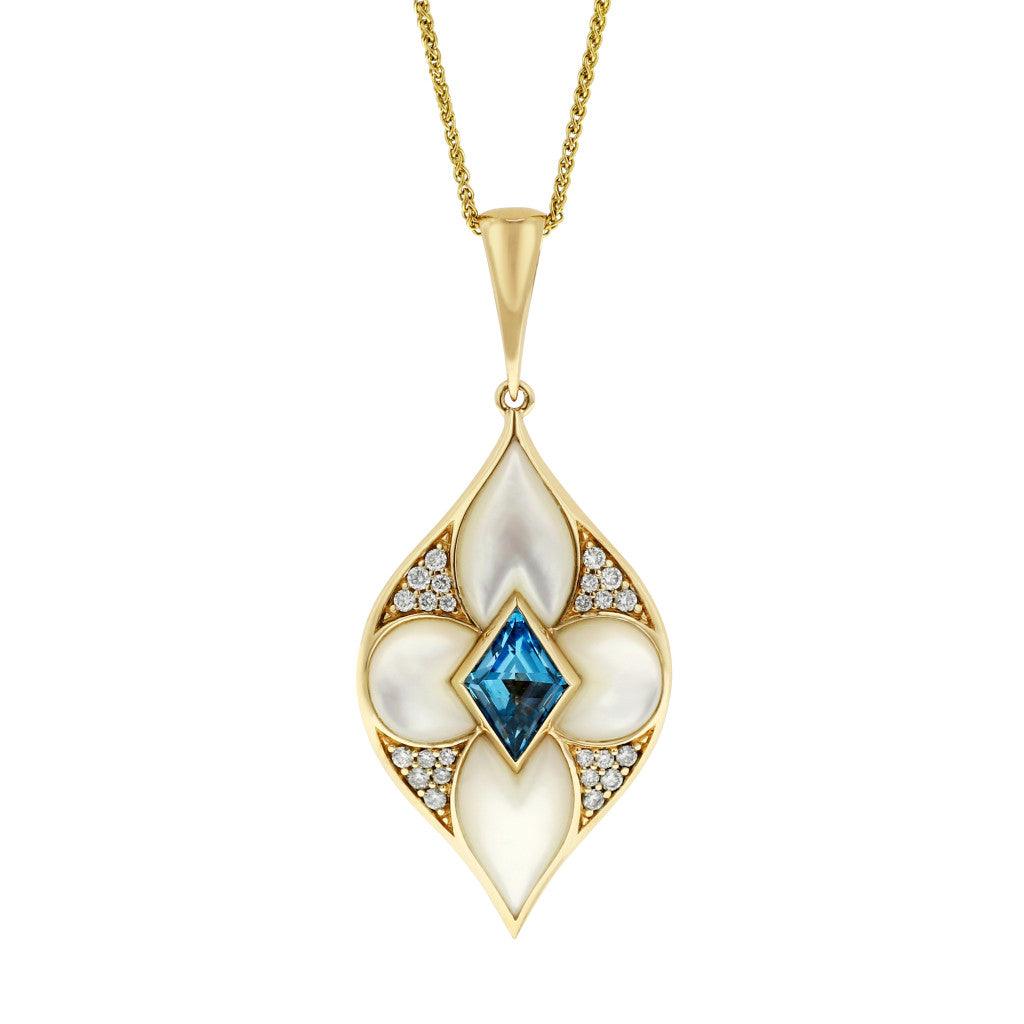
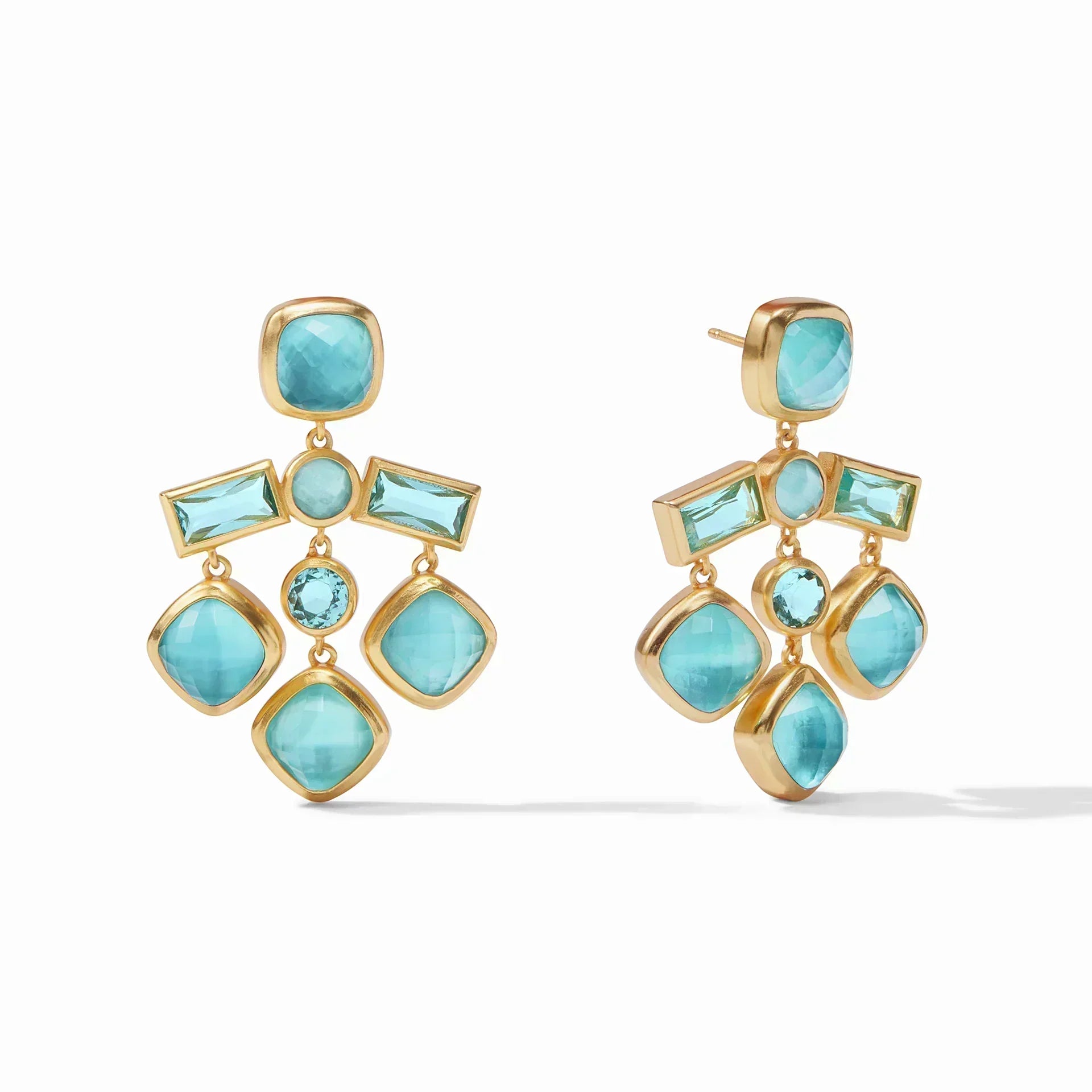
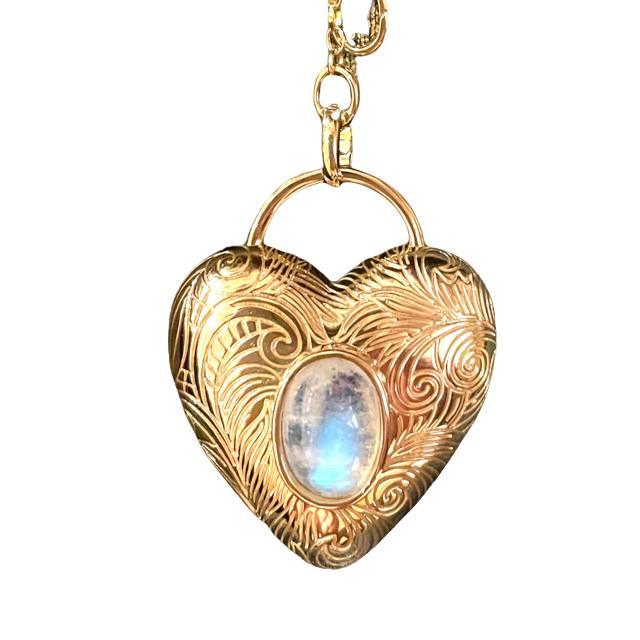
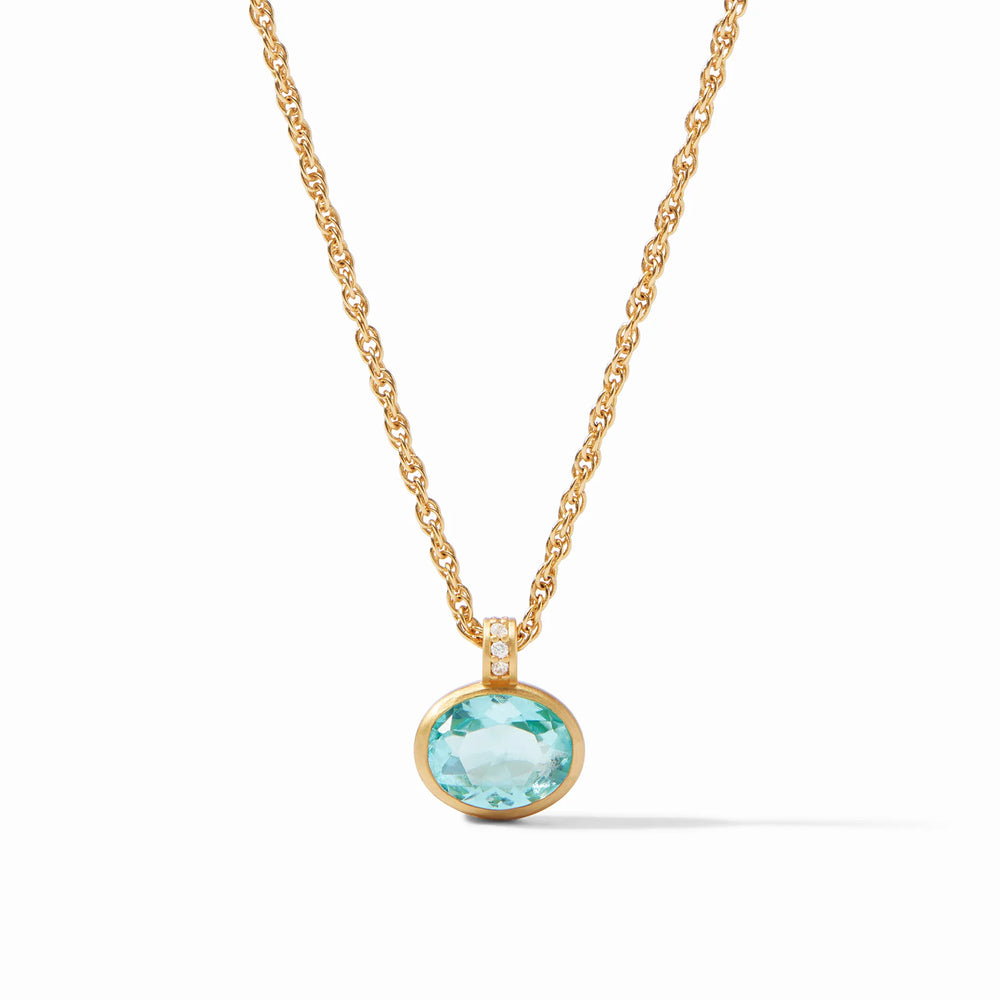
Estate Jewelry vs. Antique Jewelry
What's the Difference?
If you've ever shopped for vintage jewelry, you've probably heard the terms estate jewelry and antique jewelry used interchangeably. While they share similarities, they actually mean different things.
Understanding the difference can help you shop with confidence, whether you're looking for a unique engagement ring, a timeless heirloom, or a piece that tells a story.
We love helping clients discover the beauty and history behind estate and antique jewelry. Here's what sets them apart.
What Is Estate Jewelry?
The simplest definition is this:
Estate jewelry is any piece of jewelry that has been previously owned.
That's it.
It doesn't have to be old.
It doesn't have to come from an estate sale.
It simply means the jewelry had a previous owner.
An estate piece could be:
- Five years old
- Fifty years old
- One hundred years old
As long as it has been owned before, it is considered estate jewelry.
Because of this broad definition, estate jewelry includes everything from modern designer pieces to vintage heirlooms and antique treasures.
What Is Antique Jewelry?
Antique jewelry has a much more specific definition.
To be considered antique, a piece generally must be at least 100 years old.
These pieces often date back to remarkable periods in jewelry history, including:
- Georgian (1714–1837)
- Victorian (1837–1901)
- Edwardian (1901–1915)
- Early Art Deco (beginning in the 1920s)
Antique jewelry reflects the artistry, techniques, and design trends of its era, making each piece a wearable piece of history.
What Is Vintage Jewelry?
You may also hear the word vintage, which falls somewhere in between.
While there's no universal standard, vintage jewelry is generally considered to be 20 to 99 years old.
This includes popular design periods such as:
- Mid-Century Modern
- Retro
- Art Deco
- 1970s and 1980s statement jewelry
Vintage jewelry has become increasingly popular for those looking for unique styles with character and history.
Estate vs. Antique: The Biggest Difference
Here's an easy way to remember it:
- Estate jewelry = Previously owned
- Vintage jewelry = Approximately 20–99 years old
- Antique jewelry = At least 100 years old
Every antique piece is also estate jewelry.
But not every estate piece is antique.
Why Clients Love Estate Jewelry
Estate jewelry offers something that's becoming increasingly rare: individuality.
Instead of purchasing a piece that's been mass produced, estate jewelry allows you to own something with character and history.
Many clients love estate jewelry because it offers:
One-of-a-Kind Style
You're unlikely to see someone else wearing the exact same piece.
Exceptional Craftsmanship
Many older pieces were handcrafted using techniques that are less common today.
Great Value
Estate jewelry often allows you to purchase higher-quality materials and craftsmanship for less than the cost of a comparable new piece.
Sustainability
Choosing estate jewelry is also an environmentally conscious decision.
By giving beautiful jewelry a second life, you're helping reduce the demand for newly mined materials while preserving exceptional craftsmanship.
Why Antique Jewelry Is So Special
Antique jewelry carries more than beauty, it carries history.
Every piece has lived through decades, and sometimes centuries, of changing styles, celebrations, and family stories.
Many antique pieces feature details rarely seen in modern jewelry, including:
- Hand engraving
- Milgrain detailing
- Old Mine Cut diamonds
- Old European Cut diamonds
- Intricate filigree
- Hand-fabricated settings
These elements give antique jewelry a charm that's difficult to replicate today.
Estate Jewelry Makes Exceptional Engagement Rings
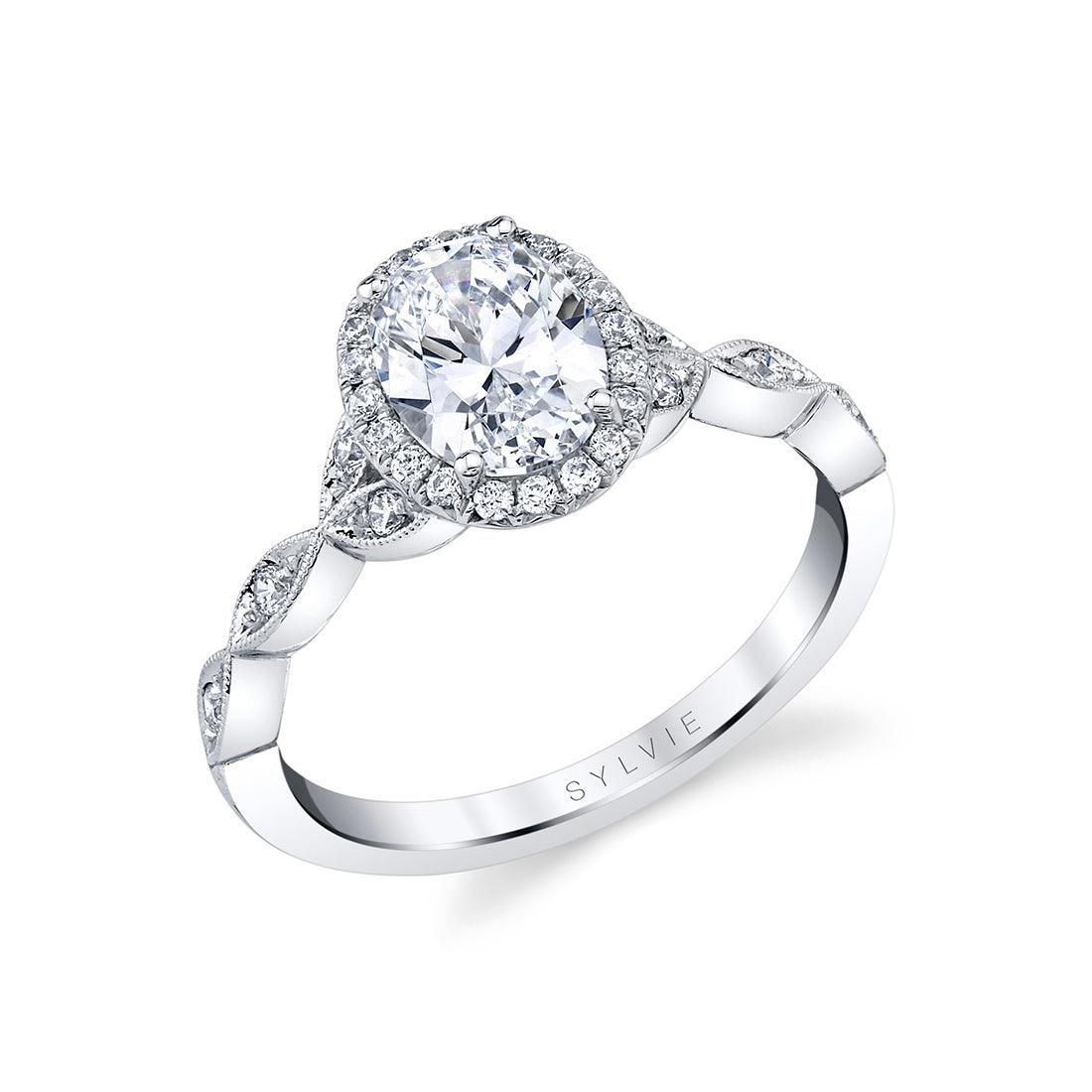
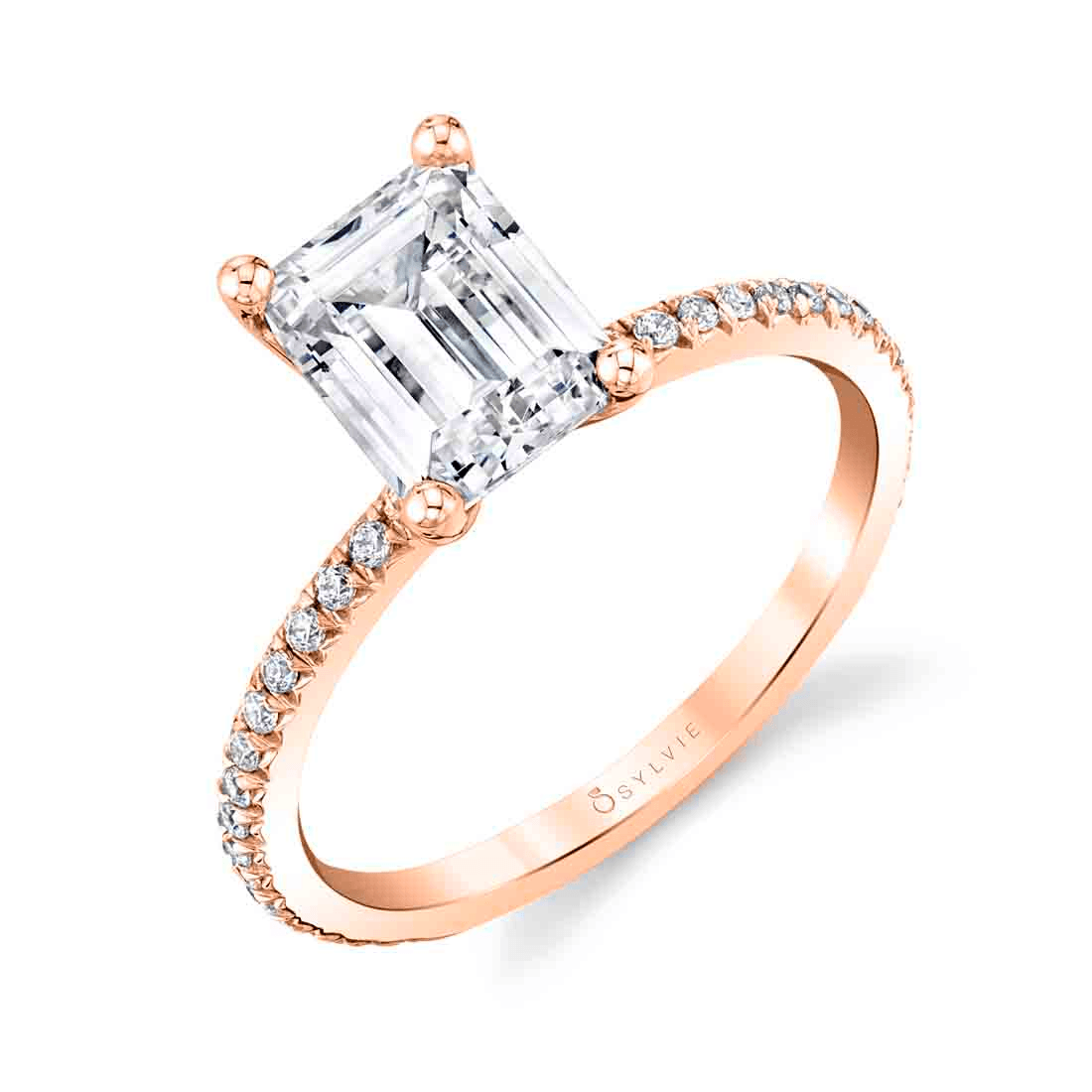
One of today's biggest bridal trends is choosing an estate engagement ring.
Why?
Because couples love:
- Unique settings
- Vintage diamond cuts
- Incredible craftsmanship
- Timeless design
- Romantic history
An estate engagement ring offers something truly personal while standing apart from more common contemporary styles.
How to Shop for Estate or Antique Jewelry
When purchasing previously owned jewelry, work with a trusted jeweler who carefully inspects every piece for quality, authenticity, and craftsmanship.
Look for:
- Well-maintained settings
- Secure gemstones
- Quality repairs (if any)
- Authentic materials
- Professional evaluation
A reputable jeweler can also explain the history, age, and unique characteristics of each piece, helping you make a confident purchase.
Which Is Right for You?
If you love timeless style with a story, you really can't go wrong.
Choose estate jewelry if you're looking for unique, previously owned pieces that offer exceptional craftsmanship and value.
Choose antique jewelry if you're drawn to history, artistry, and heirloom quality treasures that have stood the test of time.
Both offer beauty that's difficult to find in today's mass produced world.
Discover Unique Treasures at Water Street Jewelers
Whether you're searching for a vintage engagement ring, a timeless gold bracelet, or an heirloom-worthy piece to add to your collection, Water Street Jewelers offers a carefully curated selection of estate jewelry with beauty, history, and character.
Visit us in Guilford, Madison or New Haven and discover why some of the most remarkable jewelry isn't new, it's simply waiting for its next chapter.
Because every piece has a story... and the next one could be yours.